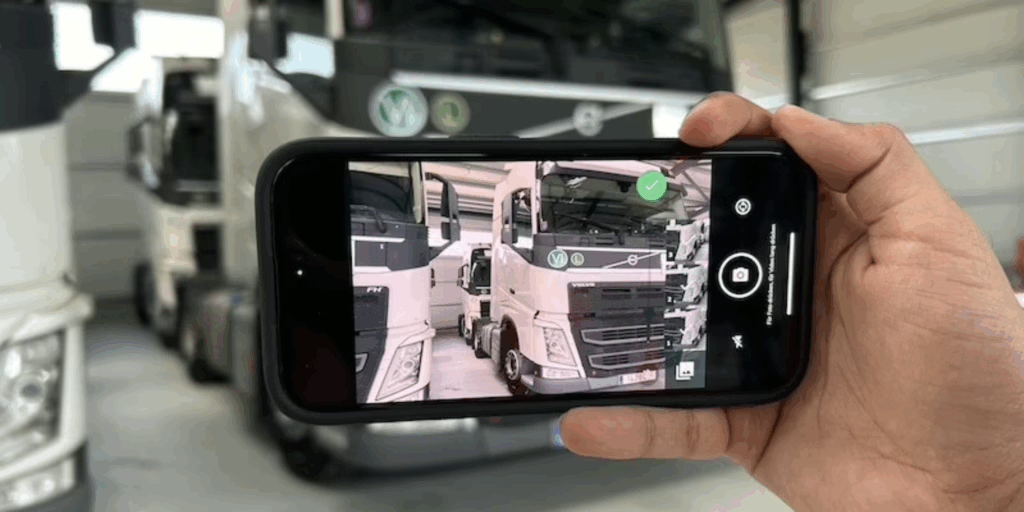
Intelligence that works inside your workflows
Emory uses automation and AI to turn inspection data into consistent outcomes, faster decisions, and operational clarity — embedded directly into your workflows.
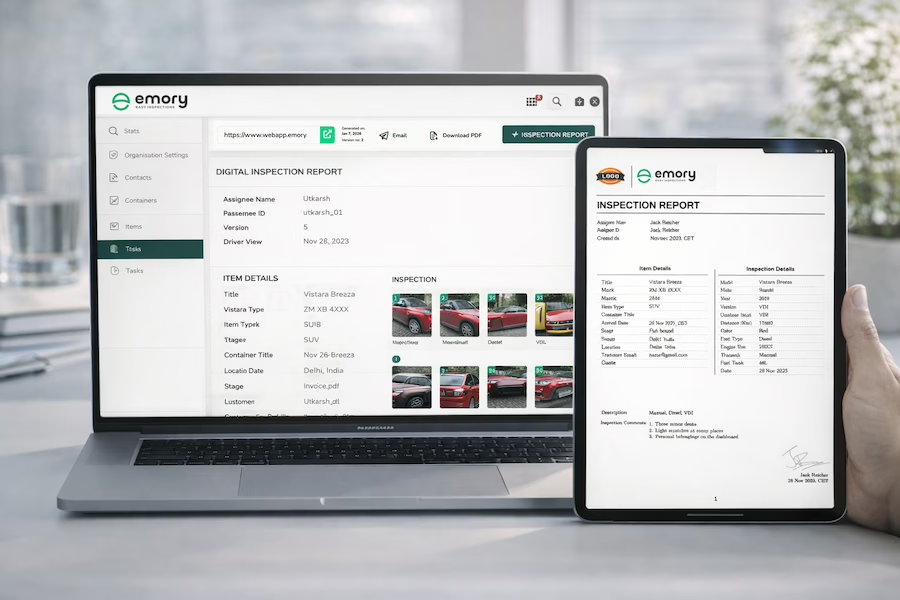
Why automation fails without structure
Automation without context
Automating isolated tasks creates noise, not efficiency.
Manual follow ups
Teams still rely on emails and reminders to move inspections forward.
Data without outcomes
Inspection data exists, but does not drive scoring, alerts, or decisions.
Automation built on
inspection workflows
Automation in Emory is not a layer on top.
It is driven by structured inspections, defined stages, and clear ownership.
When inspections follow a consistent workflow, automation becomes reliable and predictable.
Automation & AI capabilities
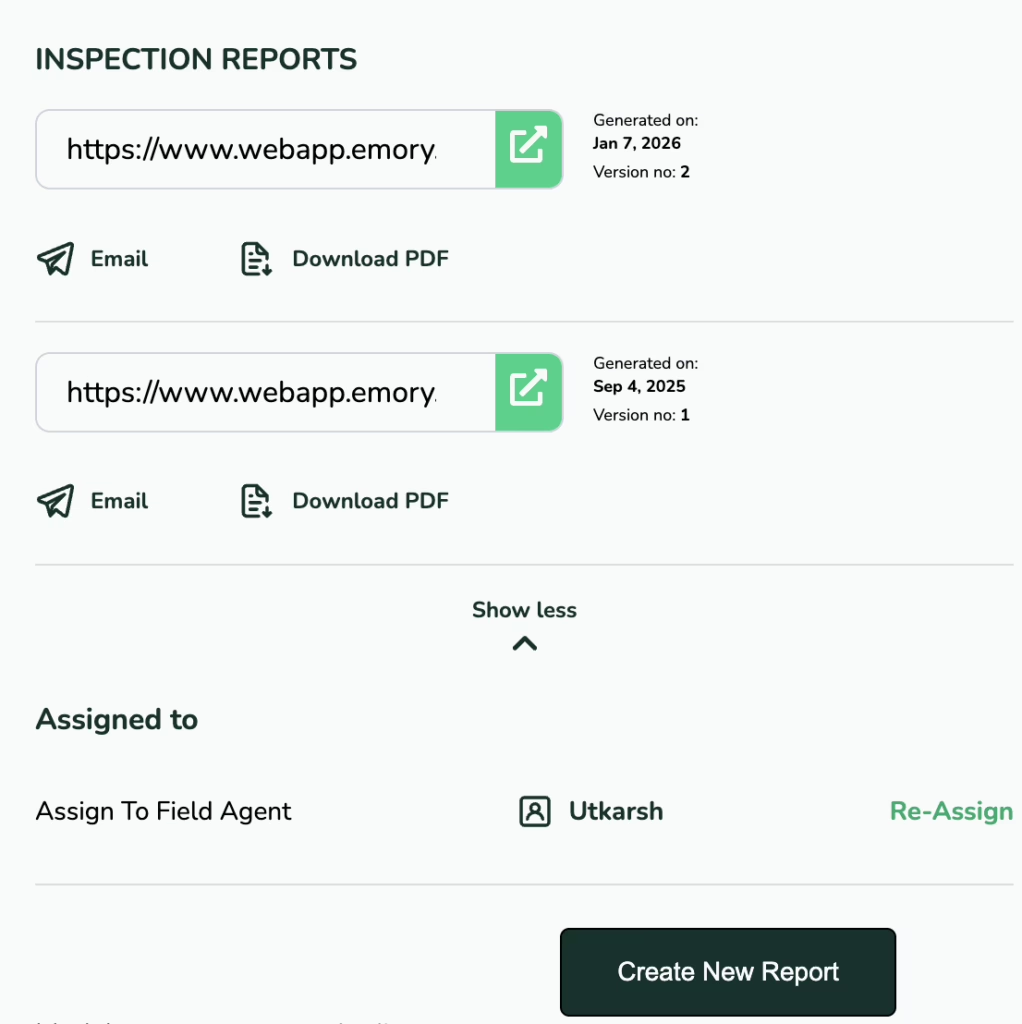
Automation triggers are tied to inspection stages and outcomes.
- Task notifications on creation and completion
- Automatic follow ups based on inspection status
-
Escalations when inspections are delayed or incomplete
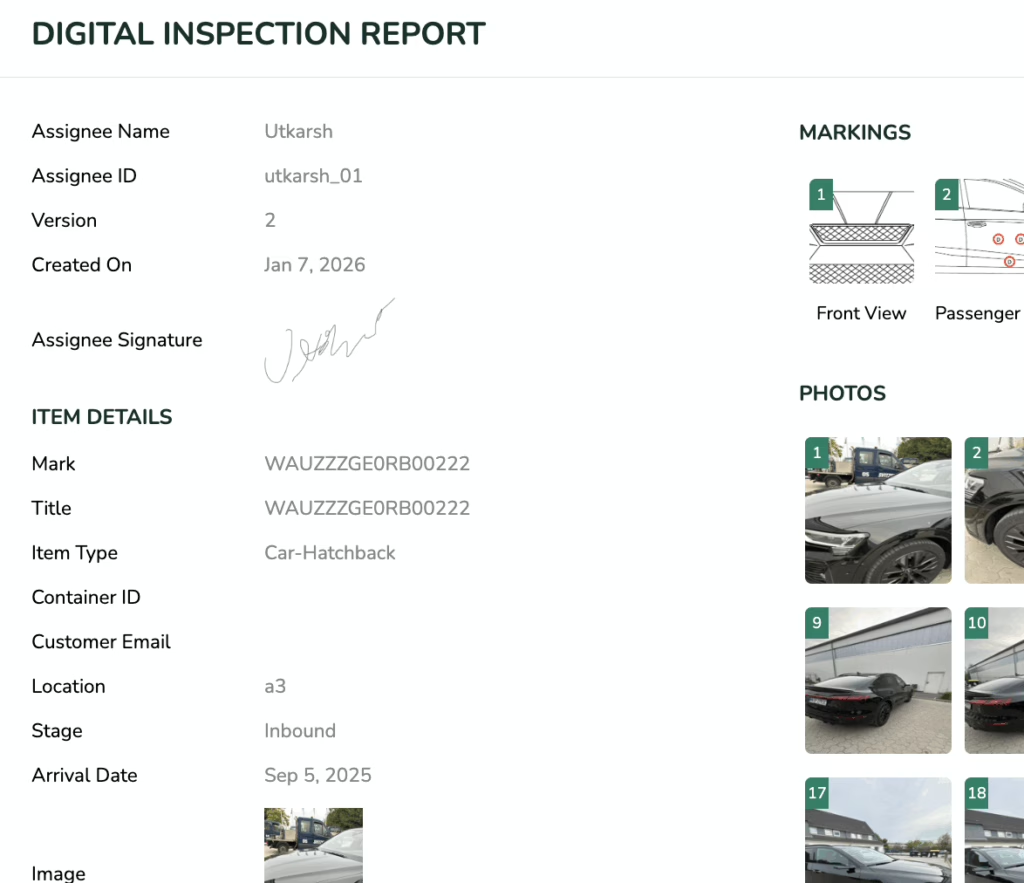
Inspection data is analyzed automatically to generate quality insights.
- Automatic inspection scoring at item level
- Aggregated container level scores based on inspected items
-
Consistent scoring logic across teams and locations
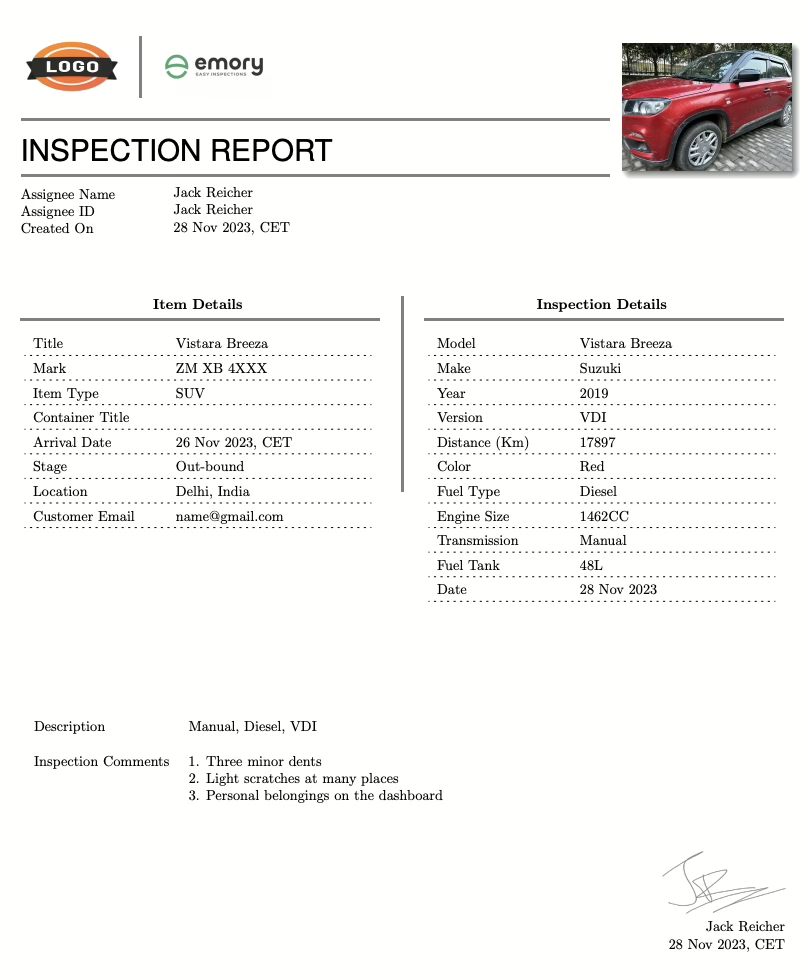
Reports are generated and distributed automatically once inspections meet defined criteria.
- Instant digital and PDF report generation
- Automatic report sharing with customers and internal teams
-
No manual coordination required
AI that is practical and explainable
Automation that scales with your operations
As inspection volume grows, Emory automation scales without adding complexity.