
How to Reduce Factory Downtime with Digital Quality Checks

How to Reduce Factory Downtime with Digital Quality Checks

Manufacturing downtime isn’t always caused by dramatic machine failures. Most of it begins quietly.

It usually starts as a small process deviation, a missed inspection step, or an undetected defect that slowly builds friction across the line. By the time production actually stops, the root cause traces back to moments where information was missing, delayed, or inaccurately captured.

Yet, many factories still act only after the breakdown occurs.

The real source of downtime often sits earlier in the workflow: inconsistent quality checks, paper-based inspection logs, and variations that no one can trace in real time.

This guide explains why downtime happens, how Digital Quality Checks help prevent it, and how manufacturers use Emory Pro’s quality control app to build stable, predictable operations.

What Is Manufacturing Downtime?

What Is Manufacturing Downtime?

Manufacturing downtime is any period when production slows or stops because something in the system isn’t performing as expected—whether equipment, quality, materials, or workflow alignment.

While full line-stoppages get the attention, the smaller, recurring interruptions often create the largest long-term loss.

These are the slowdowns that operators have become accustomed to. The delays that no one records. The inspection inconsistencies that quietly influence performance without ever showing on a dashboard.

To truly understand downtime, look beyond the dramatic failures. You have to look at the friction points accumulating throughout the plant.

The True Cost of Downtime: Beyond the Hourly Rate

Measuring downtime by the hourly output loss tells only part of the story. The full cost includes:

  • Rework and scrap due to defects that go unnoticed for too long.
  • Idle Labor when skilled operators wait for processes to resume.
  • WIP Bottlenecks that interrupt both upstream and downstream activities.
  • Supply Chain Penalties when delays affect customer commitments.
  • Warranty or Recall Risk from quality escapes caused by poor documentation.

Industry insight: Quality-related downtime typically costs several times more than expected because hidden losses — missed throughput, overtime, extra material consumption, and workflow churn — accumulate faster than the visible failure event.

Why Quality Is the New Frontier for Downtime Reduction

Factories moving ahead in 2025 view quality as real-time operational data, rather than paper records. Quality has gone from being an afterthought to the highlight of every downtime prevention strategy.

Rising material prices and competitive pressure mean that even a slight inefficiency impacts margins directly. At the same time, high SKU complexity—mixed models, rapid changeovers, and customization—creates more possibilities for process drift or operator error.

Traceability requirements in regulated sectors are getting higher, and manual inspections cannot keep up.

Manufacturers who digitally transform their quality function see immediate results: higher predictability, fewer defects, and greater customer trust.

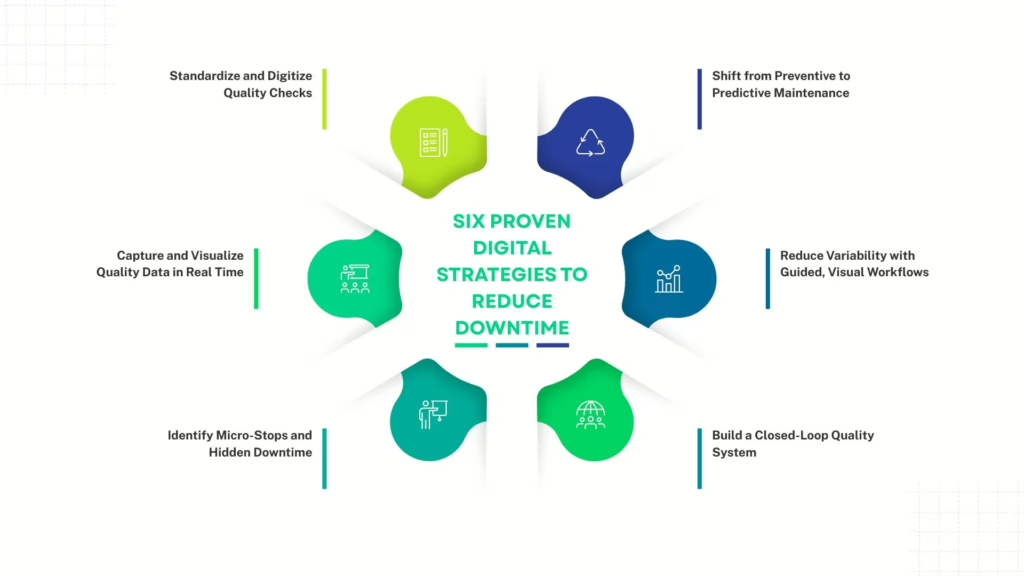
Six Proven Digital Strategies to Reduce Downtime

Six Proven Digital Strategies to Reduce Downtime

1. Standardize and Digitize Quality Checks

Even when SOPs are clear, execution varies across shifts, teams, and operators.

A digital quality control checklist app brings everyone onto the same playbook. It ensures steps are followed in the correct sequence and documented consistently. There is no need to rely on memory or handwritten notes. Each check is traceable and repeatable.

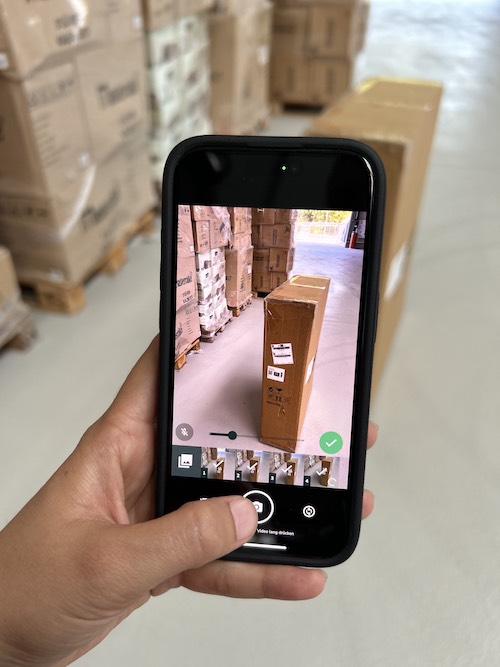
With Emory Pro, inspections are guided and photo-verified. They are impossible to skip. This reduces the variability that commonly leads to defects and stoppages.

2. Capture and Visualize Quality Data in Real Time

End-of-line detection is a reactive approach. By the time a defect appears there, it has already traveled through multiple stages—increasing cost at each step.

Real-time visibility allows teams to detect deviations where they originate: on the floor, with the operator, in a specific step of a workflow.

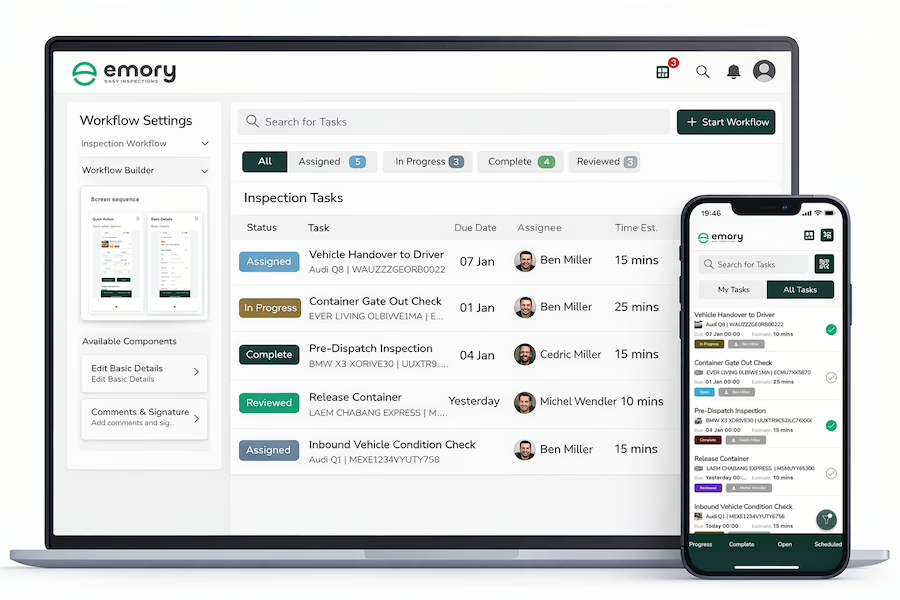
Emory Pro consolidates operator inputs and inspection results into clear dashboards. Instead of reviewing issues at the end of a shift, teams see them as they form and act immediately.

3. Identify Micro-Stops and Hidden Downtime

Micro-stoppages—brief slowdowns that normally go unrecorded—are often the earliest signals of a larger issue.

They may look like a workstation taking slightly longer between units, repeated rework of the same task, or a recurring inspection delay that operators manage silently. Paper logs rarely capture these nuances. Digital systems do.

Emory Pro highlights such patterns by making workflow timings visible. This gives supervisors a clear picture of where friction is building long before it becomes a problem.

4. Shift from Preventive to Predictive Maintenance

Preventive maintenance reduces risk, but it doesn’t reflect real-time machine conditions.

While Emory Pro is not a machine-monitoring platform, it strengthens maintenance decision-making by capturing operator observations, fault patterns, and deviations that commonly precede mechanical issues.

This improves communication between production and maintenance teams. It allows them to intervene earlier, often reducing the likelihood of emergency stoppages.

5. Reduce Variability with Guided, Visual Workflows

Complex processes introduce natural variation, especially when documentation is unclear or operators must remember details.

Digital workflows change that. They provide step-by-step instructions, photos, and validation prompts that keep tasks uniform across teams.

In Emory Pro, operators receive clear, consistent guidance regardless of experience level. This reduces the chance of missed steps or wrong parts, achieving more predictable outcomes shift after shift.

6. Build a Closed-Loop Quality System

Downtime repeats when issues are managed in silos. Production documents a problem, maintenance fixes it, quality updates a checklist—but none of these steps connect.

A closed-loop system ensures every issue leads to a permanent improvement.

Digital platforms like Emory Pro unify this cycle. A deviation triggers investigation, corrective actions are documented, and any updated procedure is enforced during future inspections. This keeps improvements from slipping through the cracks.

Emory Pro Digital QMS: The Backbone of Operational Stability

Technical security overview Emory Pro

Modern plants need more than a digital archive—they need a system that surfaces risks early and keeps processes predictable. Emory Pro centralizes inspections, workflows, and quality intelligence so teams can prevent downtime instead of reacting to it.

It provides predictive alerts when machine or process data drifts, guided digital workflows that ensure consistent execution, and instant traceability across every digital check report. Root-cause analysis moves faster because production, quality, and maintenance finally share the same data.

Why Manufacturers Partner With Emory Pro?

Manufacturers choose Emory Pro not because it replaces their expertise, but because it strengthens it. They use it to create consistency where variation once existed, visibility where information was lost, and accountability where tasks slipped unnoticed.

Teams rely on it because:

  • It replaces paper checks with clear, guided digital workflows.
  • It highlights deviations early enough to prevent escalation.
  • It uncovers patterns like repeated rework or slow steps that were previously invisible.
  • It shortens root-cause cycles by giving teams accurate, structured data.
  • It brings a level of stability and predictability across shifts that manual systems cannot match.

Modern manufacturing requires a strong, intelligent quality backbone. Emory Pro provides that foundation, helping factories move from reactive problem-solving to controlled, predictable output.

Manufacturers use Emory Pro to reduce downtime from Day 1. If you’d like to see how it fits into your workflows, we can show you a live demo.

Start your free trial today.

Get all features, no risk.
No credit card needed – try Emory free today.