The Operating System for Inspection Workflows
The Operating System for Inspection Workflows

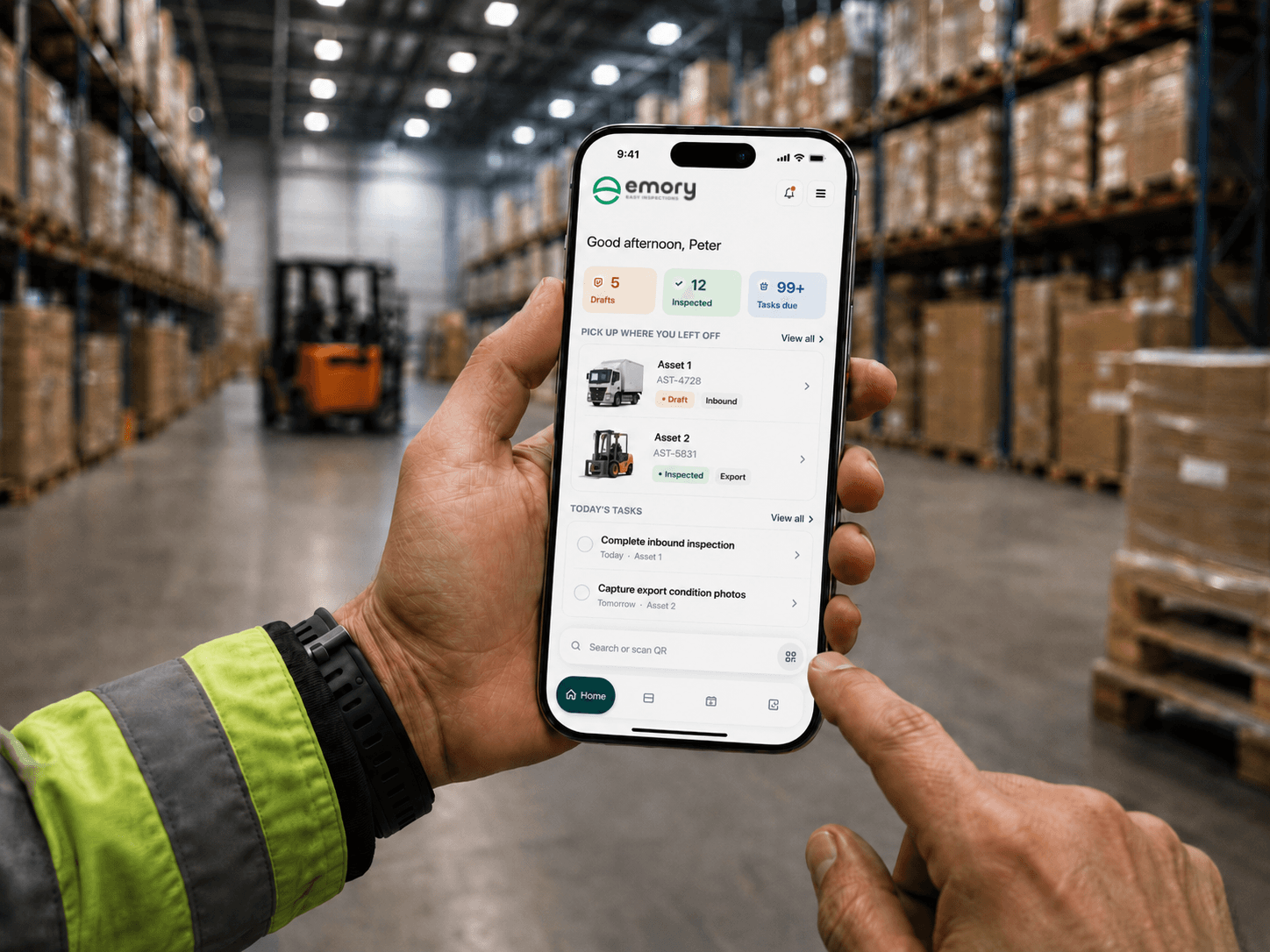
Configurable workflows

100% offline operations

Zero disputed handovers

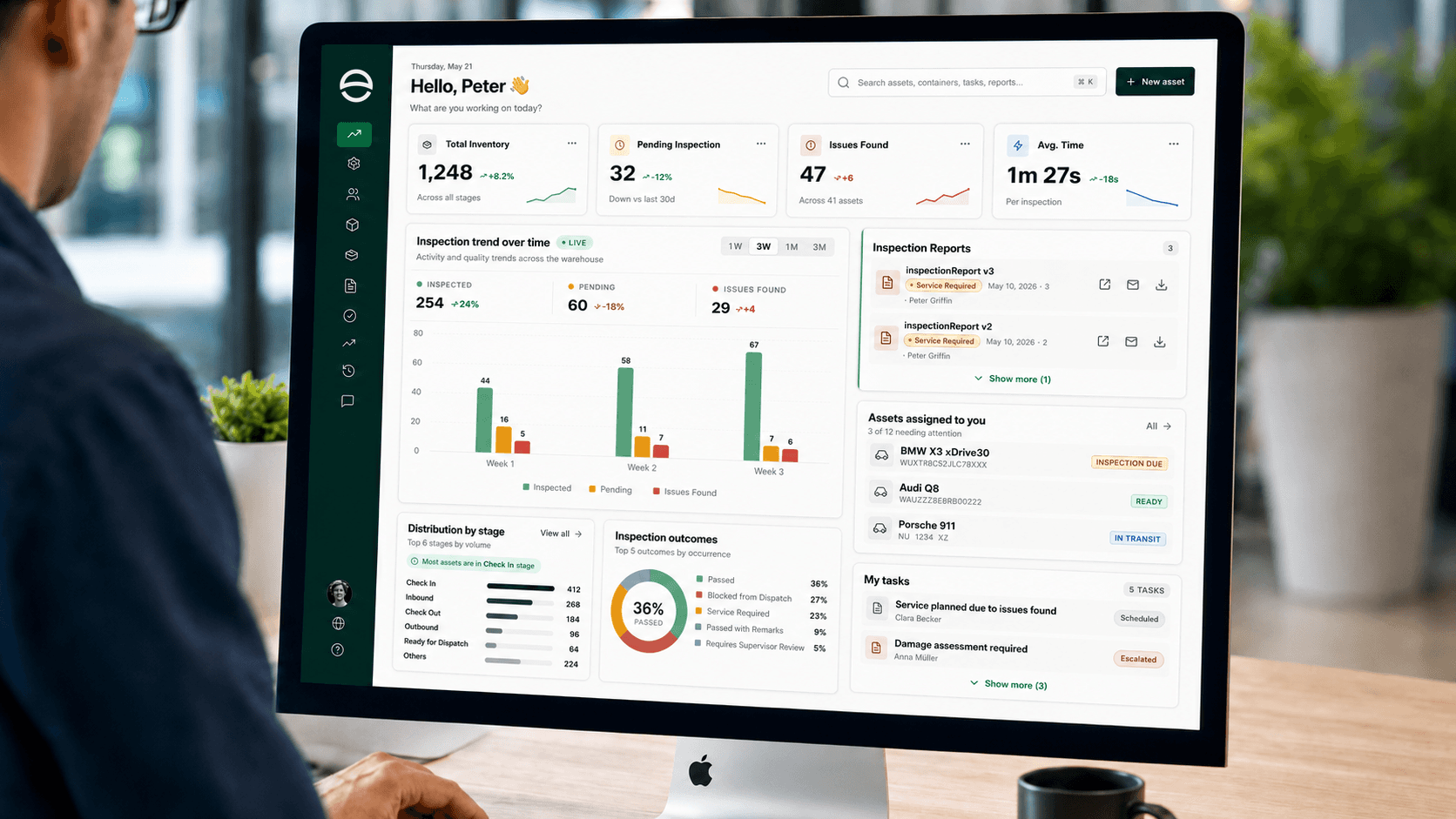
Full Asset lifecycle history

Annotate damage on photos
Configurable workflows
100% offline operations
Zero disputed handovers
Full Asset lifecycle history
Annotate damage on photos
Configurable workflows
100% offline operations
Zero disputed handovers
Full Asset lifecycle history
Annotate damage on photos
Trusted in the field. Proven at scale.


Built for operations. Designed for accountability.
One platform for every inspection, every asset, every team.

Fully offline
Inspect, capture, and finalize, no signal needed. Syncs automatically when back online.
Fully offline
Inspect, capture, and finalize, no signal needed. Syncs automatically when back online.

Dispute proof
Every damage marked, signed, and timestamped. Unalterable proof when it matters most.
Dispute proof
Every damage marked, signed, and timestamped. Unalterable proof when it matters most.

Self-configurable
Build workflows for any asset, any process. No developers. No IT tickets.
Self-configurable
Build workflows for any asset, any process. No developers. No IT tickets.

Integration ready
REST API, webhooks, SAP-compatible. Inspection data flows straight into your systems.
Integration ready
REST API, webhooks, SAP-compatible. Inspection data flows straight into your systems.

Thanks to Emory, we save an incredible amount of time, around 50% per check report. For us in logistics, that time gain makes all the difference.
Benjamin J. Roes Field Agent, Cross Trans Service GmbH
Thanks to Emory, we save an incredible amount of time, around 50% per check report. For us in logistics, that time gain makes all the difference.
Benjamin J. Roes Field Agent, Cross Trans Service GmbH
Thanks to Emory, we save an incredible amount of time, around 50% per check report. For us in logistics, that time gain makes all the difference.
Benjamin J. Roes
Field Agent, Cross Trans Service GmbH
Inspect. Document. Share.
No training required.
No developers needed.
Just scan, inspect, and generate.
Step 1
Step 2
Step 3


Scan & Identify

Inspect & Document

Generate & Share
Step 1
Step 2
Step 3
Scan & Identify
Inspect & Document
Generate & Share
Wherever Assets move,
Emory Pro works.

Logistics

Warehousing
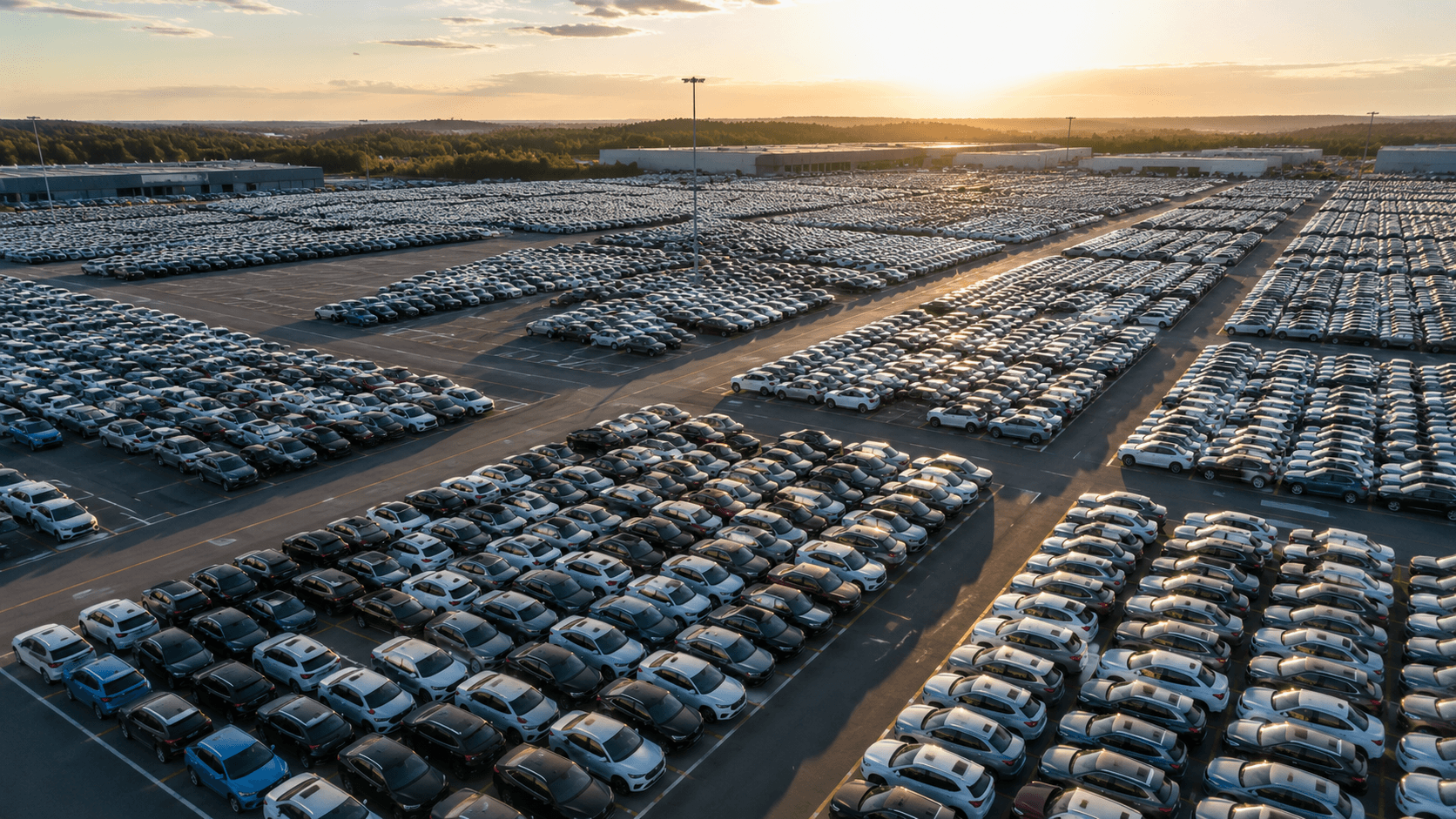
Fleet & Mobility

Ports Operations

Construction

Fresh Produce

Automotive

Container Handling
Logistics
Warehousing
Fleet & Mobility
Ports Operations
Construction
Fresh Produce
Automotive
Container Handling
Inspections, Handovers & Damage Documentation


Complete inspections the right way
SaaS development
Cloud platform
MVP

View detail

Inspect with AI
Automation
Business tools
KPIs
View detail

Capture and mark damage on the spot
Digital transformation
B2B marketing
KPIs
View detail

Handover with confidence
Business website
Corporate site
Responsive design
View detail
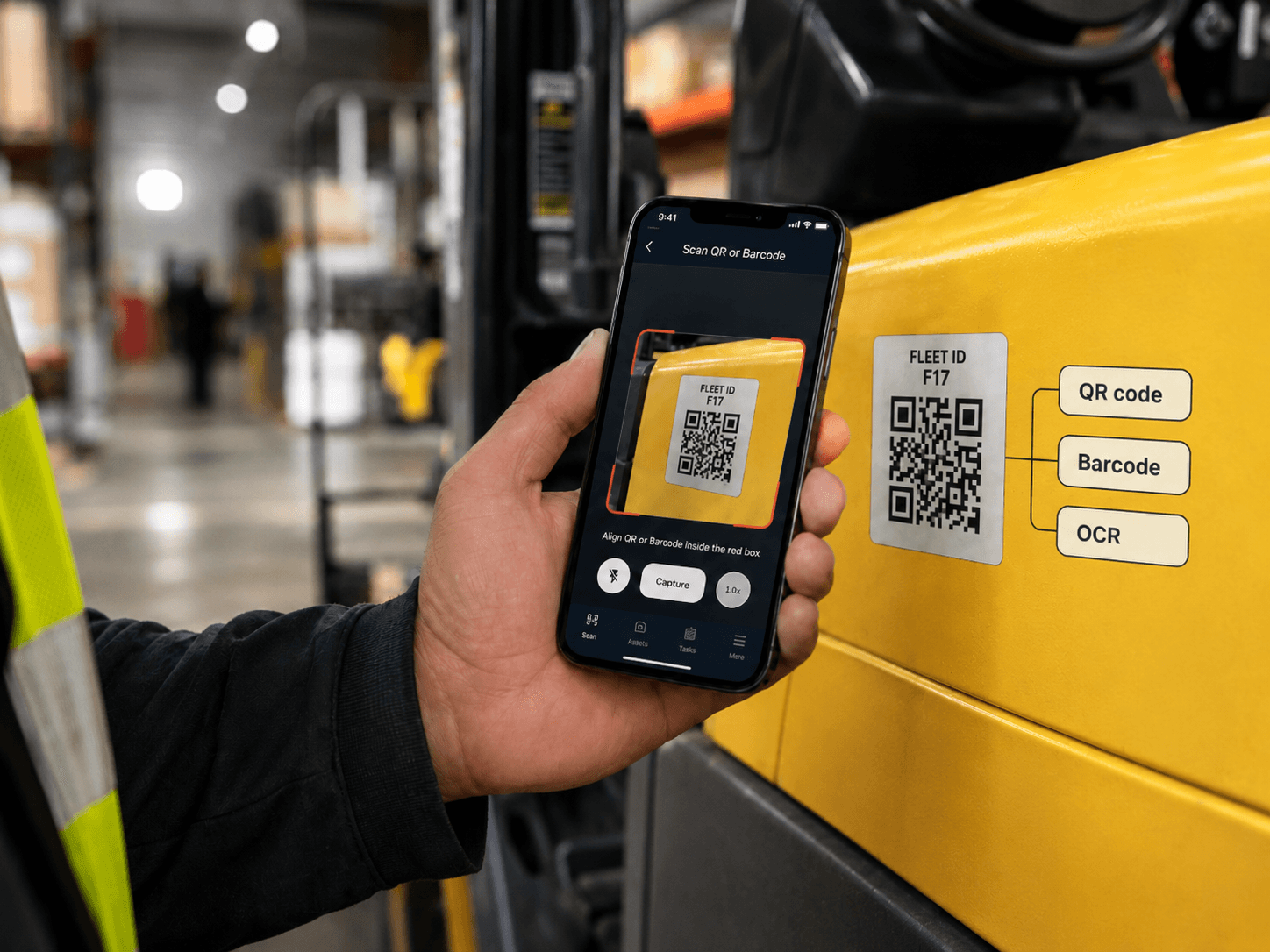
Complete inspections the right way
SaaS development
Cloud platform
MVP
View detail
Inspect with AI
Automation
Business tools
KPIs
View detail
Capture and mark damage on the spot
Digital transformation
B2B marketing
KPIs
View detail
Handover with confidence
Business website
Corporate site
Responsive design
View detail
Complete inspections the right way
SaaS development
Cloud platform
MVP
View detail
Inspect with AI
Automation
Business tools
KPIs
View detail
Capture and mark damage on the spot
Digital transformation
B2B marketing
KPIs
View detail
Handover with confidence
Business website
Corporate site
Responsive design
View detail
Asset Tracking & Lifecycle History
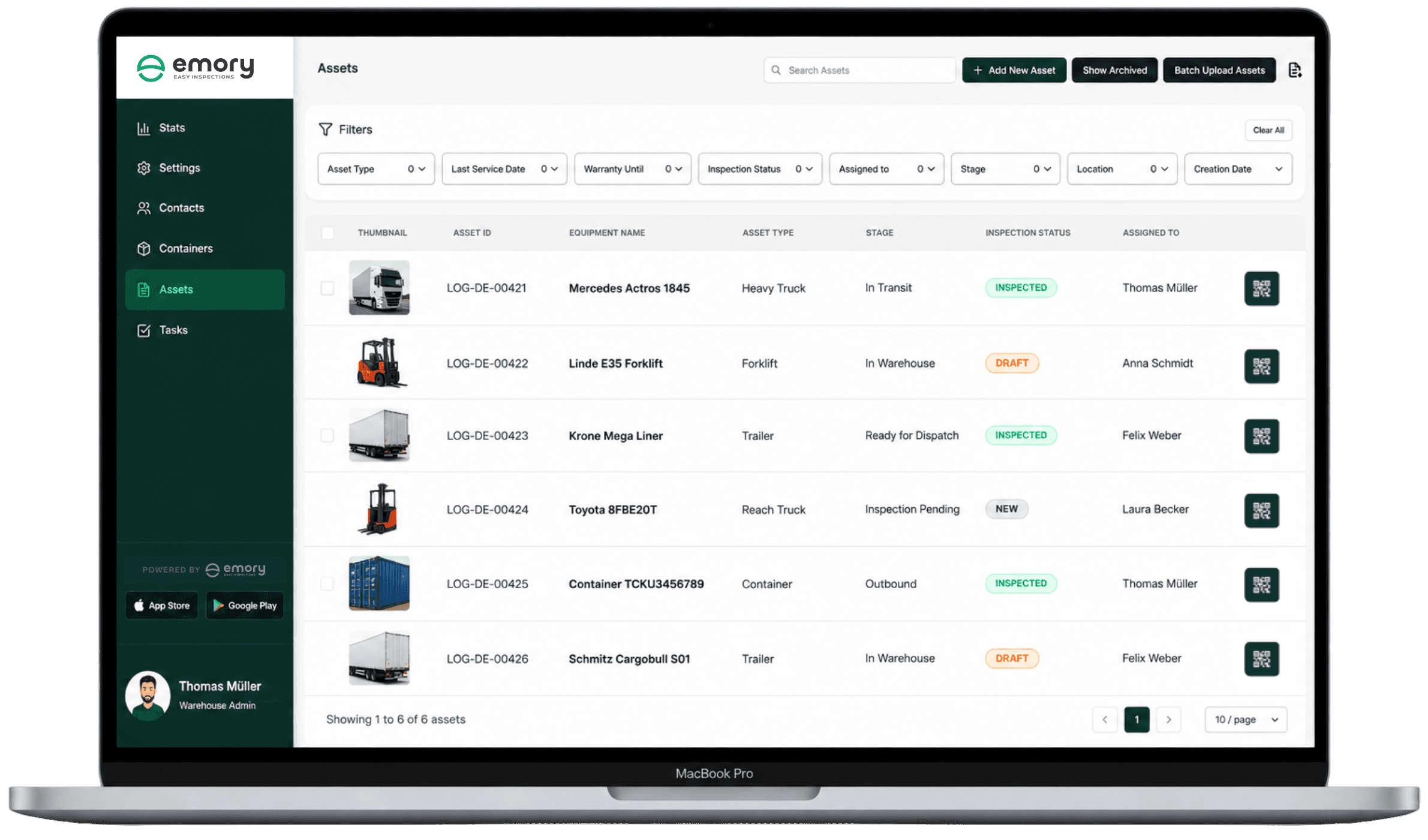


Scan and see the full history
SaaS development
Cloud platform
MVP
View detail

Move assets through Lifecycle stages
Automation
Business tools
KPIs
View detail

Compare condition over time
Digital transformation
B2B marketing
KPIs
View detail

Control access by role
Business website
Corporate site
Responsive design
View detail
Scan and see the full history
SaaS development
Cloud platform
MVP
View detail
Move assets through Lifecycle stages
Automation
Business tools
KPIs
View detail
Compare condition over time
Digital transformation
B2B marketing
KPIs
View detail
Control access by role
Business website
Corporate site
Responsive design
View detail
Reports & Intelligence

Generate reports automatically

Monitor operations in real time
SaaS development
Cloud platform
MVP
View detail

AI-assisted outcomes
Automation
Business tools
KPIs
View detail

Trigger follow-ups automatically
Digital transformation
B2B marketing
KPIs
View detail

Connect with existing systems
Business website
Corporate site
Responsive design
View detail
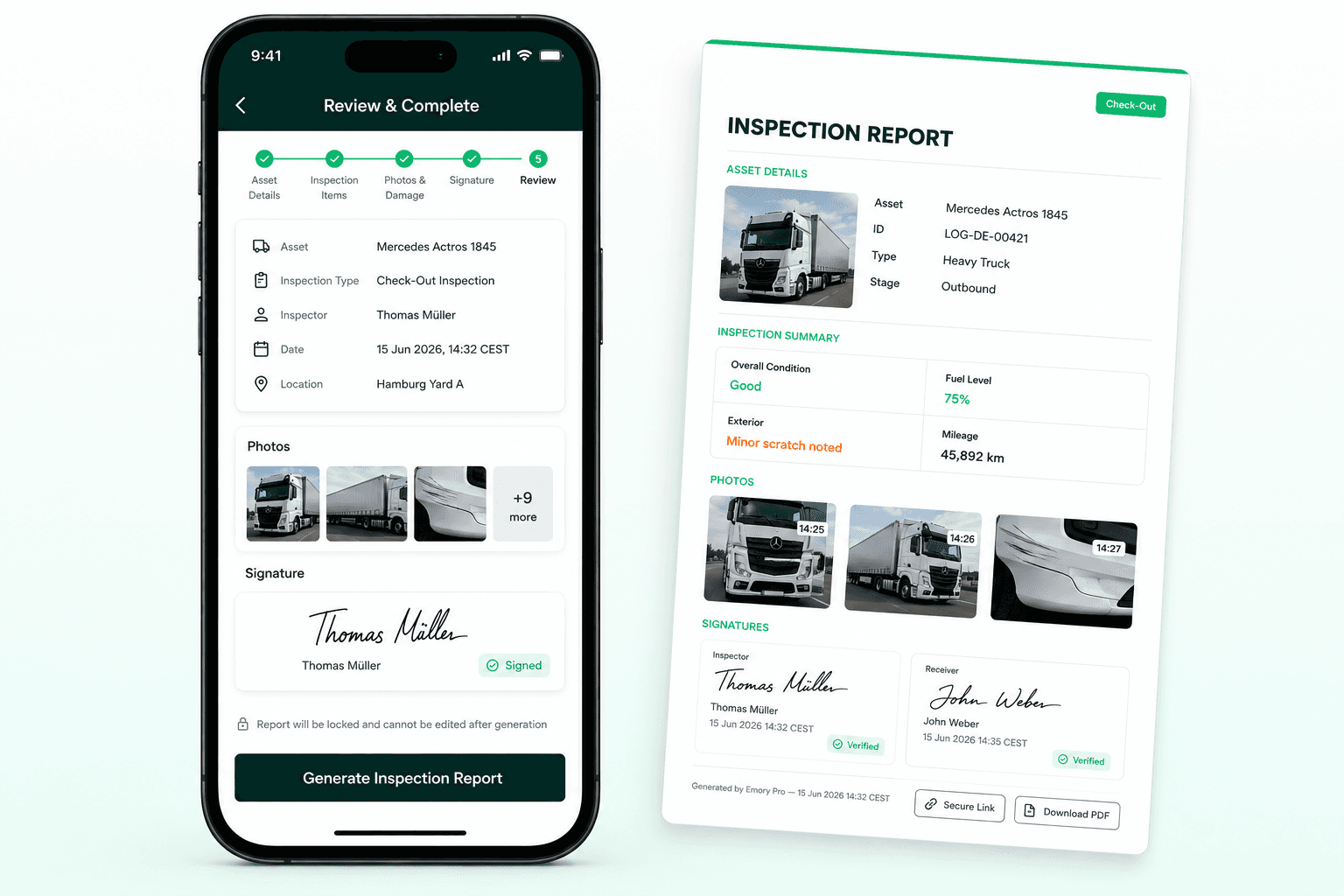
Generate reports automatically
Monitor operations in real time
SaaS development
Cloud platform
MVP
View detail
AI-assisted outcomes
Automation
Business tools
KPIs
View detail
Trigger follow-ups automatically
Digital transformation
B2B marketing
KPIs
View detail
Connect with existing systems
Business website
Corporate site
Responsive design
View detail
Generate reports automatically
Monitor operations in real time
SaaS development
Cloud platform
MVP
View detail
AI-assisted outcomes
Automation
Business tools
KPIs
View detail
Trigger follow-ups automatically
Digital transformation
B2B marketing
KPIs
View detail
Connect with existing systems
Business website
Corporate site
Responsive design
View detail

Built for the field.
Trusted by operations teams.
From port yards to logistics depots — Emory Pro helps teams inspect faster, document damage accurately, and eliminate handover disputes.
75,000+
Inspection reports generated
75,000+
Inspection reports generated
10M+
Photos captured in the field
10M+
Photos captured in the field
100,000+
Asset records supported offline
100,000+
Asset records supported offline
50%
Average time saved per inspection
50%
Average time saved per inspection
One Platform.
Every Operational Team.
From field inspectors to operations managers, everyone works from the same source of truth.
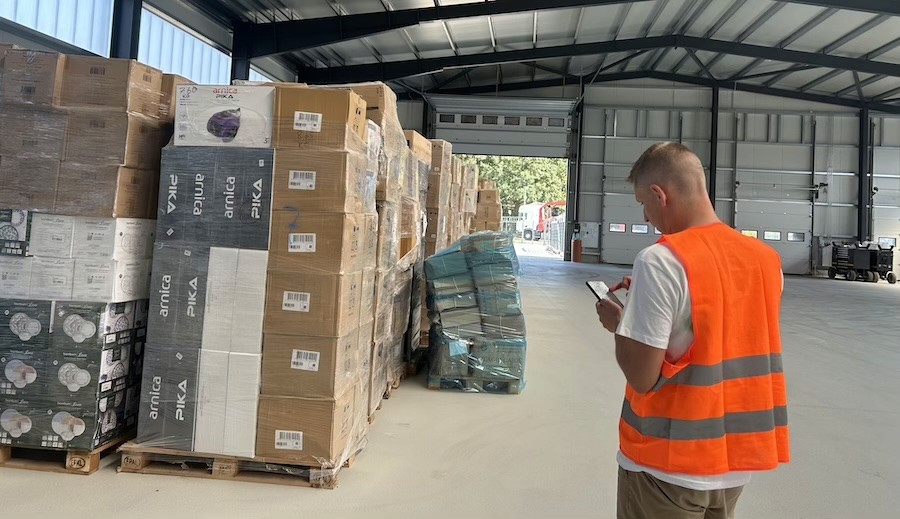
Field Inspectors
Field Inspectors
Operations Managers
Operations Managers
Warehouse Teams
Warehouse Teams
Fleet Managers
Fleet Managers
Service Teams
Service Teams
Customers & Partners
Customers & Partners
Ready to see Emory in action?
Digitize inspections, handovers, damage documentation, and asset workflows in one platform.



Ready to see Emory in action?
Digitize inspections, handovers, damage documentation, and asset workflows in one platform.
Ready to see Emory in action?
Digitize inspections, handovers, damage documentation, and asset workflows in one platform.