
Inspection evidence is no longer reviewed only during audits. It is increasingly examined during disputes, investigations, insurance claims, and legal proceedings.
In these situations, inspections are not judged by intent or effort. They are judged by whether the evidence can withstand independent legal scrutiny.
Many organizations discover this too late. Inspections were performed. Records exist. Yet the evidence is challenged, discounted, or rejected because it cannot be proven as reliable, complete, or tamper-resistant.
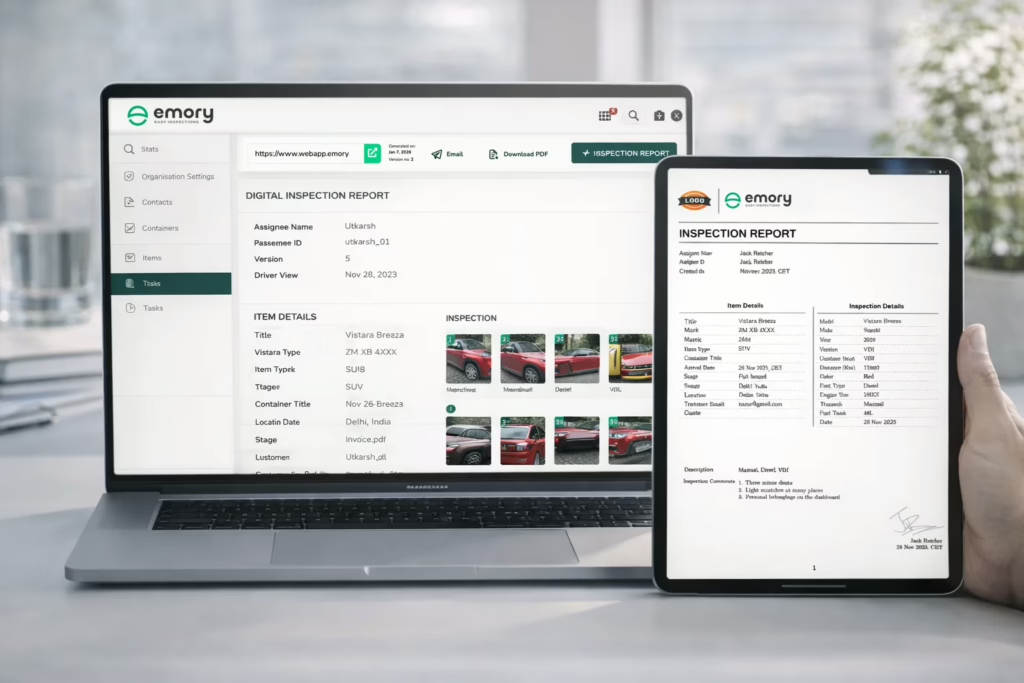
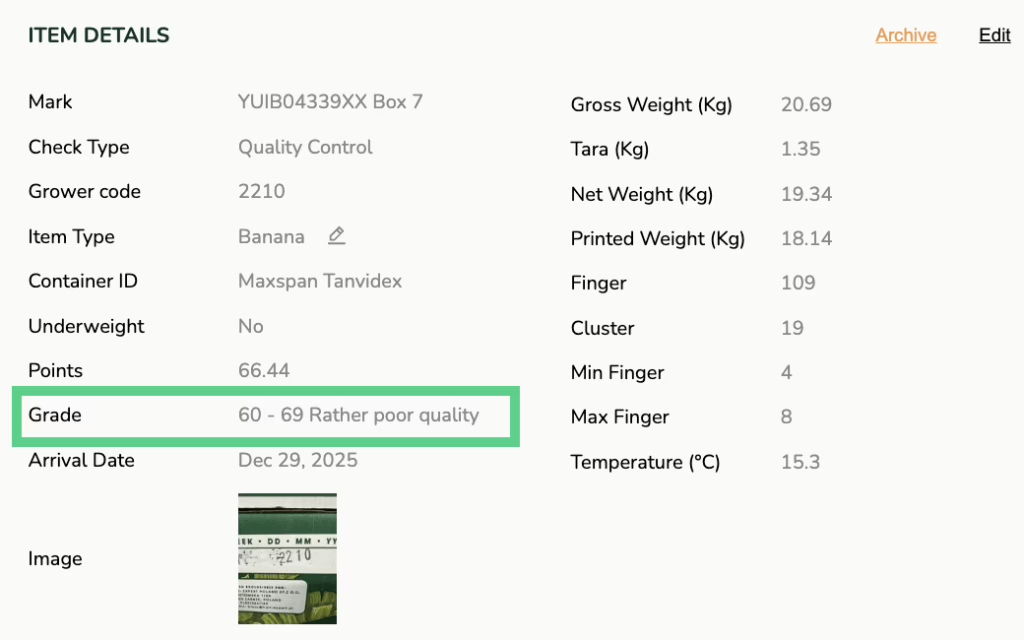
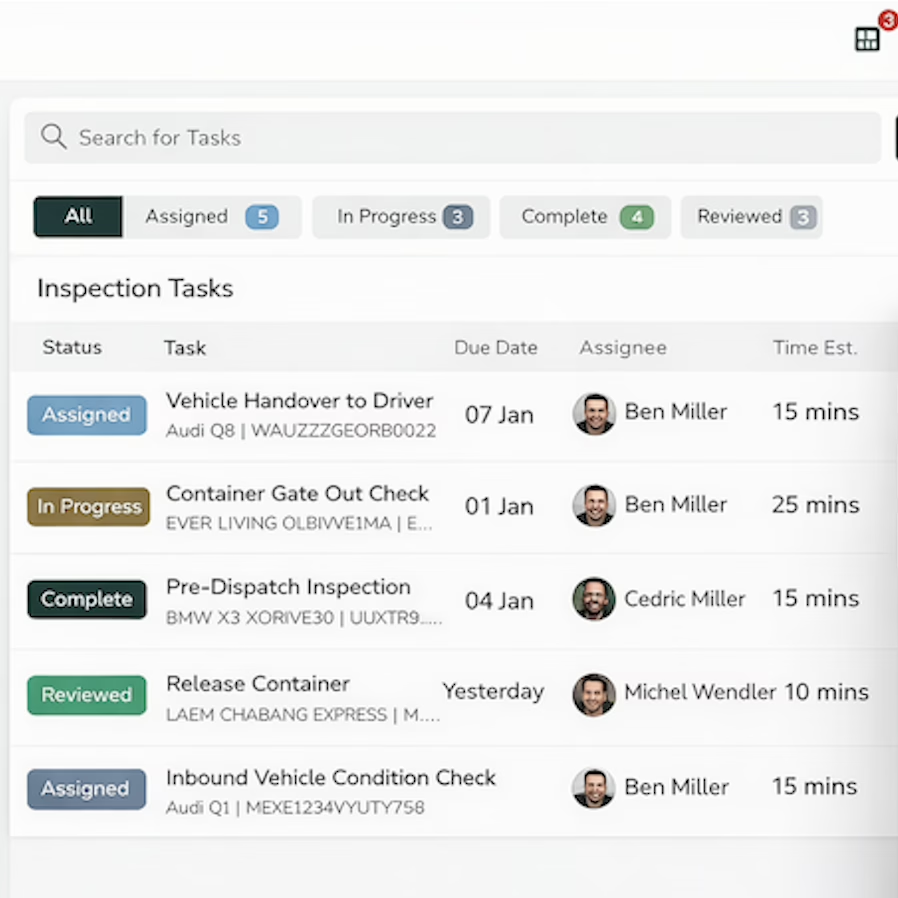
This article explains what makes inspection evidence legally defensible, how auditors and legal reviewers assess inspection proof, and why a structured inspection data management system like Emory Pro has become critical for creating audit ready inspection evidence.