
What to Look for in a Vehicle Inspection App for Fleets?

What to Look for in a Vehicle Inspection App for Fleets?

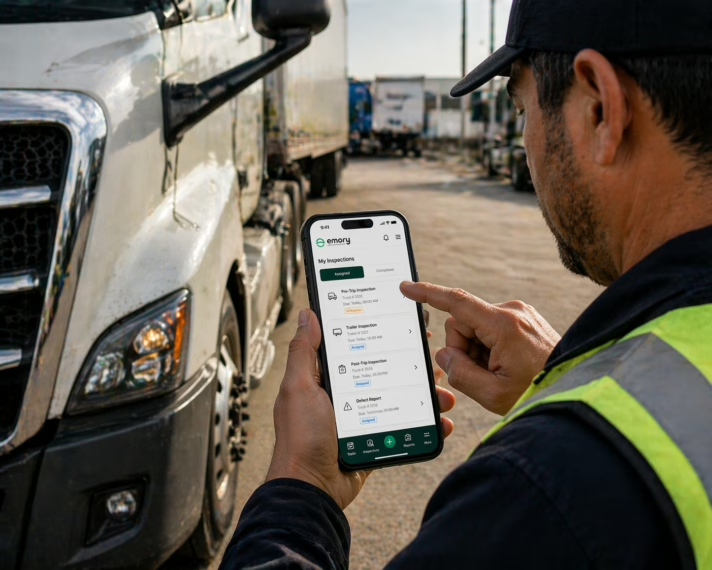
The operations within a fleet have a tight schedule. The vehicles are always moving; the drivers are changing shifts. The inspections are conducted under time pressure. It is for this reason that fleets are often plagued by inconsistent results from vehicle inspections.

Some drivers complete a paper-based checklist quickly and efficiently, while others may forget to add photos or miss some of the minor details from a vehicle inspection. It is a lot to keep track of, making it hard to track results or provide proof of compliance during an audit.

This is where an inspection app for vehicles within a fleet can come in handy. But it is important to note that not all vehicle inspection apps are created equal. Not all of them are able to fix some of the actual operational challenges that are present within a fleet.

If you are considering an inspection software, then it is important that you consider the following:
1. Customizable Digital Inspection Checklists

Customizable Digital Inspection Checklists

Different types of fleets will have different inspection requirements. For instance, a logistics company that inspects long-haul trucks has different requirements from a delivery company that inspects small vans.

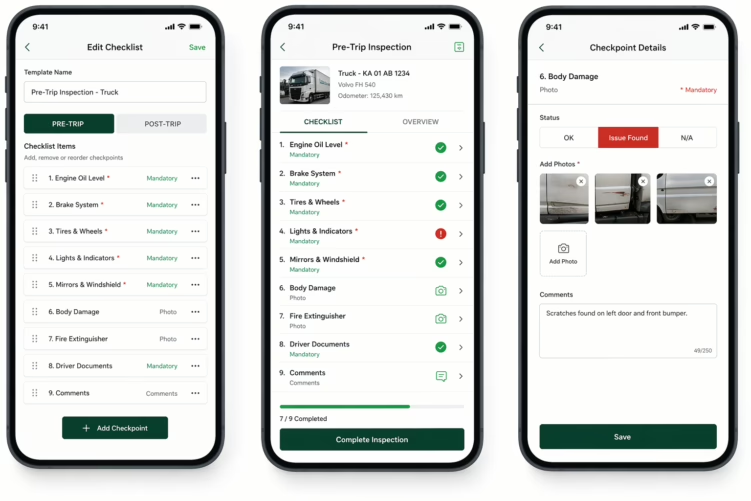
The inspection app must allow teams to build customizable templates that are aligned to actual needs.

A good checklist system should:

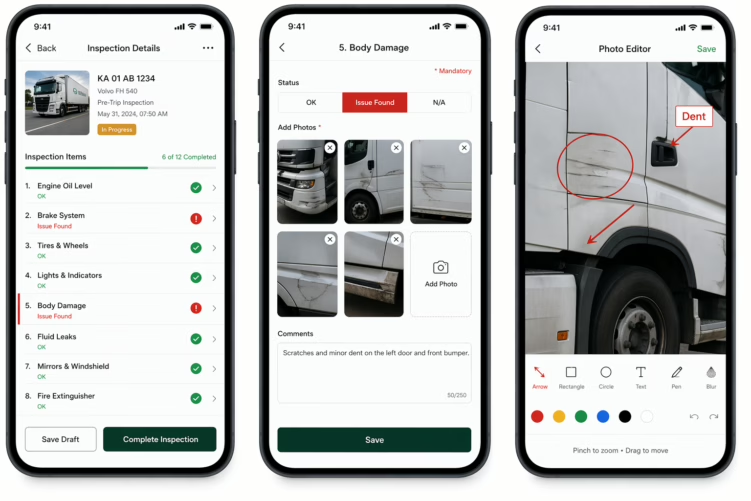
  • Have pre-trip and post-trip templates
  • Have mandatory check points that must be met
  • Have a photo component to take pictures during damage inspections
  • Have a comments component to add comments to inspection reports

    Have customizable templates to ensure a structured approach is used while being able to accommodate different types of vehicles.

2. Real-Time Reporting and Issue Tracking

Real-Time Reporting and Issue Tracking

The biggest drawback in performing an inspection on paper is that there is a time lag involved in reporting.

For example, drivers can fill out inspection reports in the morning, but the maintenance crew might not have time to look at those reports until the end of the day. If an important problem is raised, then a lot of time has been lost.

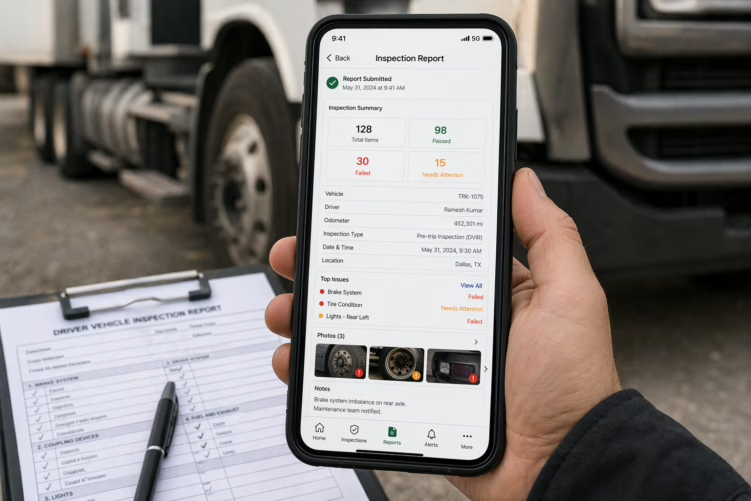
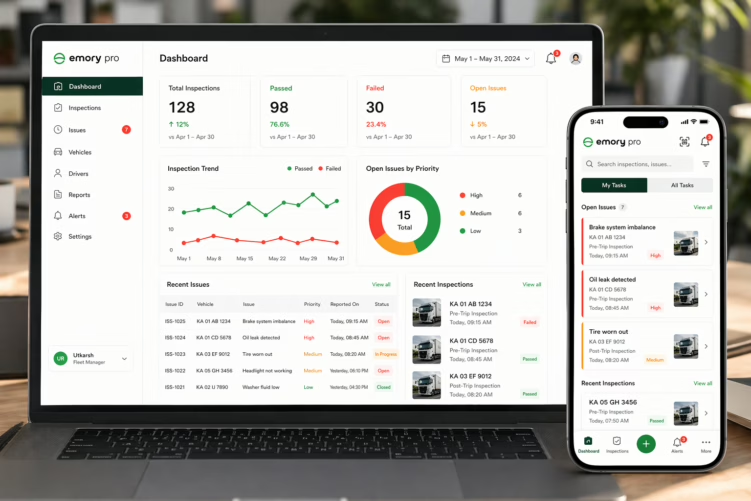
The vehicle inspection app should be able to support instant reporting of inspection results.

Real-time reporting enables:

  • The prompt raising of alerts about safety concerns
  • Quicker response times for maintenance issues
  • Accurate documentation of inspection results
  • Centralised access to inspection reports

When issues are flagged early, fleets can address maintenance problems before they escalate into costly breakdowns.

3. Photo and Evidence Documentation

Photo and Evidence Documentation

Vehicle inspections are much easier to verify when visual evidence is included.

Photos help document:

  • Tire damage
  • Body dents or scratches
  • Fluid leaks
  • Equipment wear

Since there are no photos, the inspection reports would be based on written descriptions. This may cause confusion later on.

A reliable inspection app would enable drivers to take photos and attach them to the inspection items. There is also a feature for inspectors to annotate photos to identify specific areas.

This would improve inspection reports.

Automated Inspection Reports

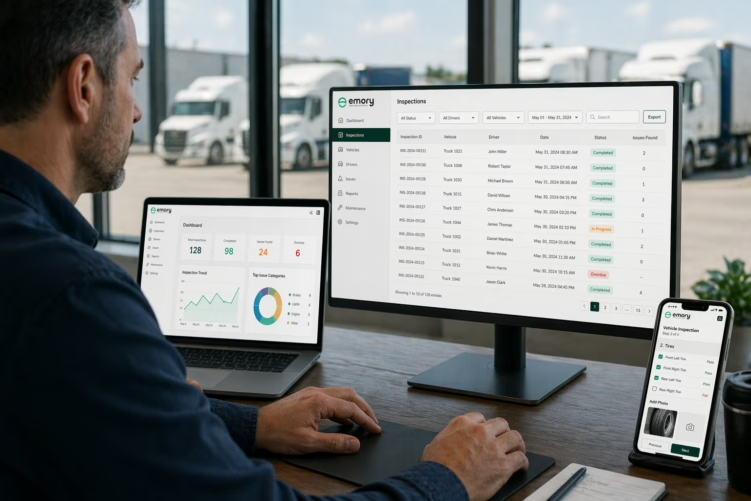
Fleet managers may waste valuable time poring through inspection logs and creating reports for compliance checks.

An efficient inspection app should be able to automate the reporting process.

Automated reporting will enable fleets to:

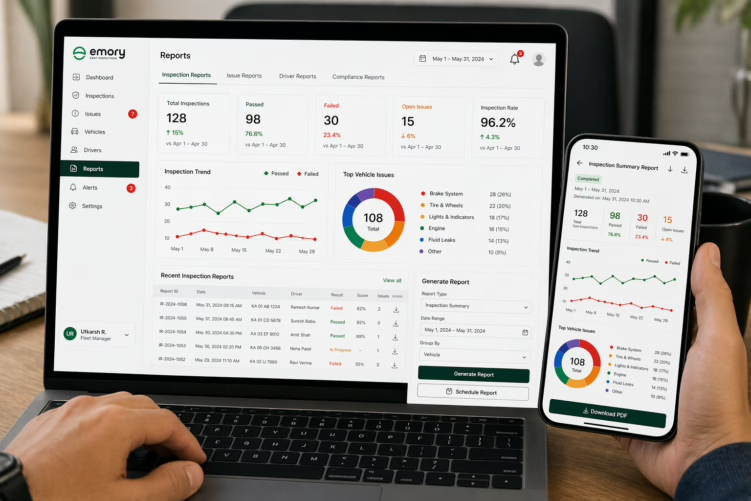
  • Produce inspection reports immediately
  • Identify recurring vehicle problems
  • Ensure consistent documentation for audits
  • Track inspection completion rates

This will free up more time and keep inspection logs well-organised.

5. Compliance and Audit Readiness

Compliance and Audit Readiness

Fleet operations have to adhere to a variety of safety regulations. Depending on the region, the fleet may need to undergo driver vehicle inspection reports (DVIR), safety checks, or maintenance logs.

A good vehicle inspection platform can help a fleet operation prepare audit-ready documents.

Key compliance features may include:

  • Timestamped records of vehicle inspections
  • Identification of drivers
  • Tracking of follow-ups on vehicle maintenance
  • Past records of vehicle inspections

Having organized inspection data reduces stress during compliance audits and regulatory checks.

6. Integration with Fleet Management Systems

Integration with Fleet Management Systems

The value of inspection data can be further increased if it is linked with other operation systems. 

For example, linking inspection reports with fleet management systems can enable fleet operators to:

  • Track schedules
  • Monitor fleet performance
  • Detect recurring mechanical problems
  • Enhance fleet safety reports

The fleet operator no longer has to rely on standalone inspection reports.

7. Easy Driver Adoption

Easy Driver Adoption

Even the most advanced inspection software will fail if drivers find it difficult to use.

Fleet teams should look for apps that offer:

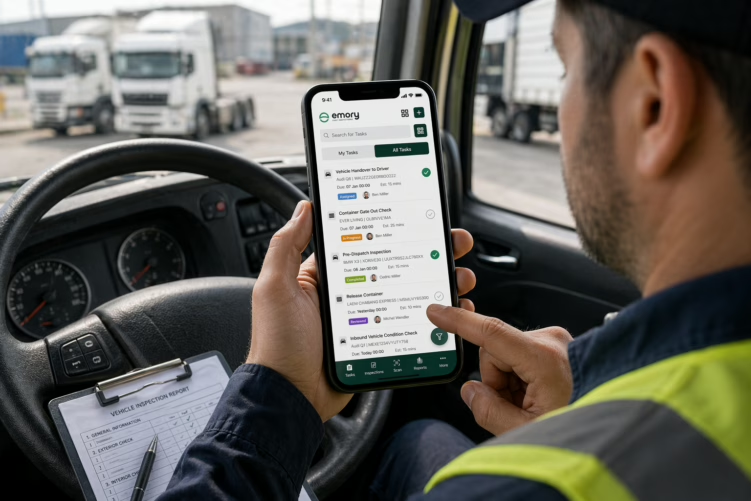
  • Simple mobile interfaces
  • Quick checklist navigation
  • Fast photo capture
  • Offline functionality for low-connectivity areas

Drivers should be able to complete inspections quickly without disrupting their workflow.

If an app feels complicated or slow, drivers are more likely to skip steps or rush through inspections.

Why Fleets Are Moving Toward Digital Vehicle Inspections?

Why Fleets Are Moving Toward Digital Vehicle Inspections?

Many fleet operators initially adopt inspection apps to replace paper forms. But over time, they discover additional benefits.

Digital inspection tools help fleets:

  • Reduce manual paperwork
  • Improve inspection accuracy
  • Identify vehicle issues earlier
  • Maintain better compliance records
  • Improve operational visibility across vehicles

For fleets managing dozens or hundreds of vehicles, these improvements can significantly reduce downtime and maintenance costs.

Final Thoughts

Vehicle inspections are a normal process. However, the manner in which the inspections are recorded plays a significant role in the fleet.

The benefits of a well-designed vehicle inspection app for fleets include not only the digitization of the process but the creation of a system that provides a structured vehicle inspection process.

By using the right vehicle inspection app for fleets, the fleet operation benefits from a better understanding of the vehicles and the operation of the fleet.

In the long run, the benefits of a well-designed vehicle inspection app for fleets include a safer fleet, reduced breakdowns, and a more reliable fleet operation.

FAQ’s

A vehicle inspection app is a tool that enables a driver or inspector to conduct a vehicle inspection digitally using a series of checks or a checklist and provide a report thereafter.

Vehicle fleets use vehicle inspection apps to ensure accurate vehicle checks, reduce paperwork, record vehicle status, and ensure compliance with safety regulations.

Yes, vehicle inspection apps can help reduce vehicle maintenance costs since vehicle maintenance can be conducted early enough.

Start your free trial today.

Teams adopt Emory Pro not when inspections fail—but when evidence starts getting questioned.