Top 7 Use Cases for a Digital Vehicle Inspection App

Digital vehicle inspection app Emory Pro

In a world where efficiency, road safety and compliance are key digital vehicle inspection apps are no longer a nice to have but a must have. Whether you manage fleets, run a dealership or are in commercial insurance the need to streamline vehicle inspections has never been greater.

This article explores the top 7 use cases for a digital vehicle inspection app, how they reduce risk, improve processes and support compliance in the modern transportation and automotive industries.

Why Vehicle Inspections Must Go Digital in 2025

Traditional vehicle inspection methods—pen, paper and manual sign offs—can’t keep up with today’s pace of business. Paper forms get lost, photos get disorganised and compliance becomes harder to prove.


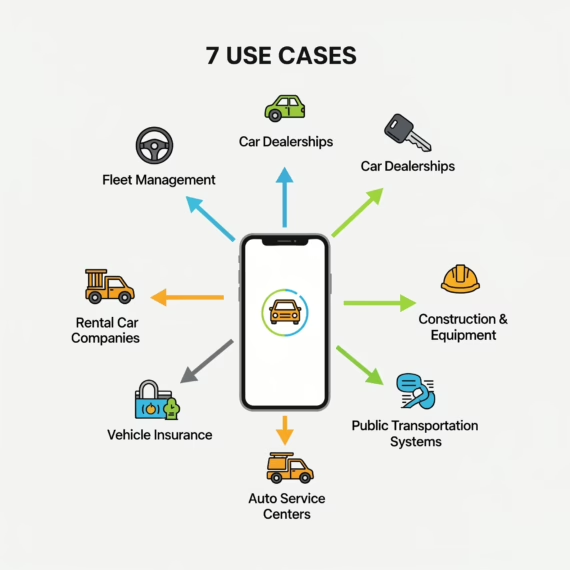
Top 7 use cases for vehicle inspection software

A digital vehicle inspection app simplifies these pain points by enabling:

  • Photo-supported checklists
  • Instant digital reports
  • Centralized historical data
  • Seamless integrations with fleet systems

From logistics to construction, every industry relying on vehicles or heavy equipment can benefit.

1. Fleet Vehicle Inspections for Logistics and Transport Companies

For logistics companies managing large fleets, daily inspections are vital. A digital vehicle inspection app provides a consistent format for each inspection, ensuring nothing is overlooked.

Why it matters:

  • Ensure roadworthiness before every dispatch
  • Detect defects early and reduce costly breakdowns
  • Maintain compliance with DOT, EU, or country-specific transport laws

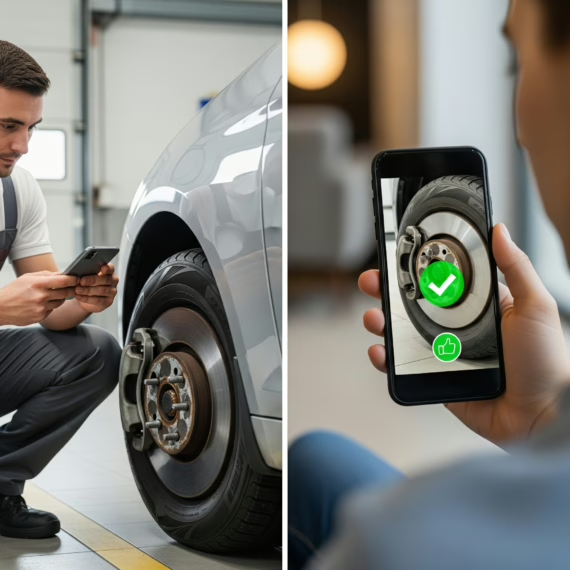
Using a vehicle inspection app, fleet managers get real-time insights from drivers performing pre- and post-trip inspections via mobile. The inspection checklist app ensures consistency across locations and drivers.

Benefits:

  • Real-time updates on vehicle health
  • Reduced downtime due to early defect detection
  • Regulatory compliance with DOT and local transport norms

Example: A logistics firm running 250 trucks can reduce unexpected failures by 30% simply by catching brake wear or tire issues earlier.


2. Car Dealerships and Pre-Sale Quality Assurance

Dealerships need to guarantee that every vehicle on the lot meets quality standards. With a vehicle inspection app, dealerships can:

  • Digitally document the vehicle’s condition before a test drive or sale
  • Capture photo evidence of any scratches, tire wear, or engine faults
  • Automatically generate reports for internal records or customer assurance

This transparency builds trust and protects against disputes.

Bonus: It improves customer trust and reduces legal disputes over scratches or mechanical issues post-sale.

3. Rental Car Companies and Damage Tracking

In the rental industry, documentation is critical at vehicle handover and return. A digital vehicle inspection app helps record the car’s condition with date-stamped images and notes.

Use Case Example:

Let’s say someone rents a car. The rental agent does a quick check and takes photos before they drive off. When the car comes back, the app lets them compare its current state to the original photos. This makes it easier to spot new damage, avoid arguments, and handle insurance stuff.

4. Heavy Equipment and Construction Vehicles

For construction sites, the safety of machines like excavators, cranes and bulldozers is paramount. With an inspection checklist app, teams can inspect:

  • Brakes
  • Hydraulics
  • Lights and signals
  • Engine health

Digital inspections ensure these checks are done consistently and faults can be escalated quickly—reducing downtime on site.

5. Commercial Vehicle Insurance Self-Inspections

Many insurers now allow policyholders to submit inspection reports digitally via apps. These are especially popular during renewal or new policy underwriting.

Apps like QuickInsure demonstrate how:

  • Users can take vehicle images using in-app guidance
  • GPS tagging and timestamping ensure authenticity
  • Reports are submitted instantly without paperwork

For both insurers and drivers, this process is faster, more accurate, and cost-efficient.

6. Auto Service Centers for Maintenance Logging

Many insurers now allow policyholders to submit inspection reports digitally via apps. These are especially popular during renewal or new policy underwriting.

Apps like QuickInsure show how:

  • Users can take vehicle photos using in-app guidance
  • GPS tagging and timestamping ensures authenticity
  • Reports are submitted instantly without paperwork

For both insurers and drivers this is faster, more accurate and cost effective.

7. Compliance Audits in Public Transportation

Buses, school vans, and public transit systems must meet strict regulatory requirements. Using a vehicle inspection app:

  • Ensures that brake checks, tire conditions, and emergency equipment are reviewed daily
  • Stores inspection history securely for audits
  • Sends automated reminders for upcoming checks

This is crucial to passing scheduled government audits and keeping vehicles road-legal.

What Makes a Good Vehicle Inspection App?

Not all apps are created equal. Choose a solution that offers:

  • Custom checklists to suit different vehicle types
  • Multilingual support for global teams
  • Offline mode for remote job sites
  • QR or barcode scanning for quick identification
  • API integrations with fleet or ERP systems

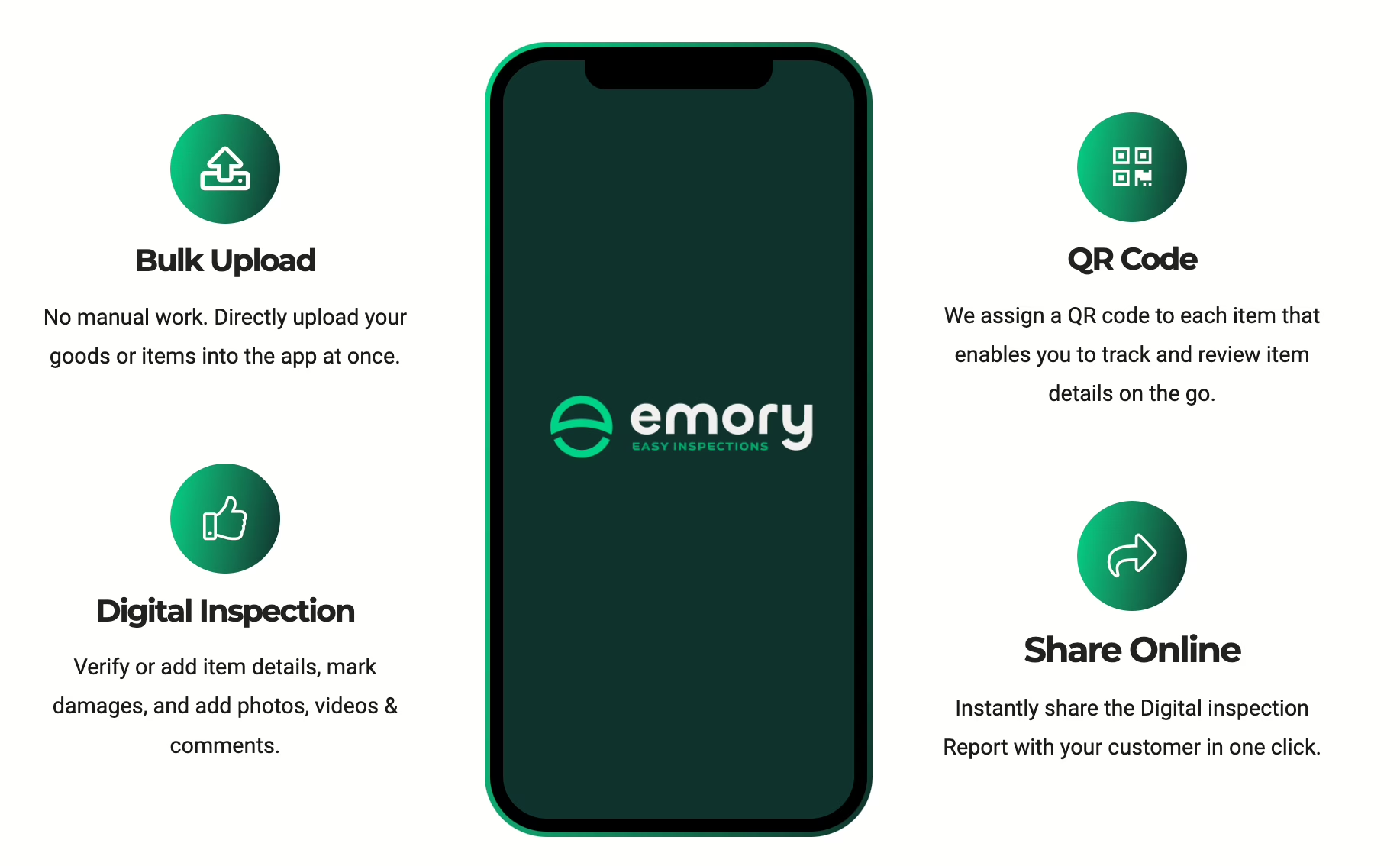
Emory Pro, for instance, offers powerful features like image annotation, digital sign-off, offline sync, and GDPR-compliant cloud storage—ideal for inspection-heavy industries in Europe.

Why Digital Beats Paper: A Quick Comparison

Feature Paper-Based Inspection Digital Vehicle Inspection App
Accessibility Stored manually Cloud-based, searchable
Image capture Manual attachment Built-in photo tools
Data accuracy Prone to human error Form logic and validation
Reporting speed Slow Instant PDF or digital reports
Integration None Syncs with fleet or ERP systems

Future Trends in Vehicle Inspection Apps

The next evolution of digital vehicle inspection apps will bring AI into the mix. Expect:

  • Predictive alerts based on inspection history
  • Automated defect recognition through image scanning
  • Real-time sync with IoT sensors and telematics systems

Why It Matters: Businesses that digitize inspections now are better positioned to adapt as regulations tighten and automation becomes the industry standard.

Conclusion: One App, Multiple Benefits

Whether you’re managing a construction fleet, a car rental business, or a local bus service you will see that a digital vehicle inspection app brings efficiency, compliance, and accuracy to your processes.

Top benefits recap:

  • Fewer delays and disputes
  • Better maintenance records
  • Real-time data access
  • Seamless audits and reporting

If you are looking to modernize your inspections look at what we have to offer which is tailored to your industry’s needs. The right inspection check list app is also a strategic asset.

Start your free trial today.

Get all features, no risk.
No credit card needed – try Emory free today.